Plumbing Work That Fits Condo Requirements
Condo Plumbing Services in Pinellas County for unit-specific repairs, fixture upgrades, and water heater replacements that comply with association guidelines
Condo plumbing differs from single-family work because supply lines, drain stacks, and main shutoffs are shared between units, which means repairs must isolate the problem to your unit without affecting neighbors or violating HOA regulations. J & J Plumbing of Tampa Bay provides condo plumbing services in Pinellas County when you need fixture replacements, drain cleaning, water heater installations, or leak repairs that stay within the boundaries of what unit owners control versus what the association maintains. The work addresses problems inside your walls and under your fixtures while coordinating with building management when main line access is required.
Unit plumbing repairs focus on components from the shutoff valves inward, including faucets, toilets, supply tubes, P-traps, and in-unit sections of drain lines. Many older condo buildings in Pinellas County have galvanized steel drains that corrode from the inside, which creates recurring slow-drain issues that require camera inspection to determine whether the blockage sits within your unit or extends into shared vertical stacks.
Request a planning session to review which plumbing components fall under your responsibility and which require association approval before work begins.
What Changes After Condo Plumbing Is Completed
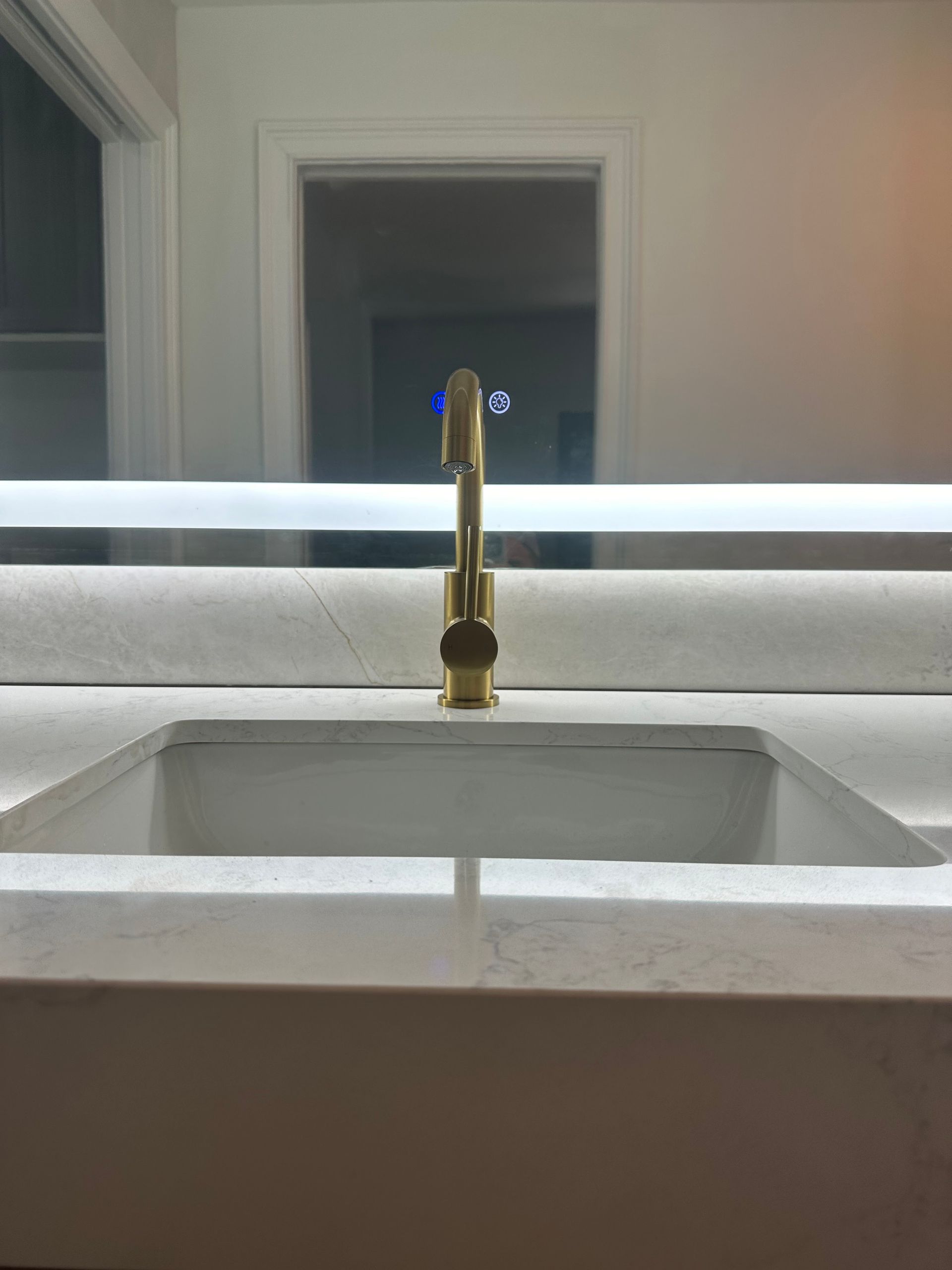
Condo plumbing work begins with confirming which shutoff valves control water to your unit and notifying adjacent units if main line shutoffs are necessary. Fixture installations follow the same process as single-family homes but often require compact or wall-hung models that fit within the structural constraints of concrete slab construction and limited under-sink access in older buildings.
Once the work finishes, you'll notice that drains clear at normal speed without requiring repeated plunging or chemical treatments, upgraded fixtures operate smoothly without the temperature fluctuations common in multi-unit buildings, and water heater replacements restore consistent hot water volume during peak usage times when other units are drawing simultaneously. Tankless water heaters work well in condos with limited storage space, though installation requires verifying that gas line capacity or electrical panel amperage can support the unit's demand.
Condo plumbing also includes addressing noise transmission through shared walls when water hammer occurs, which involves installing arrestors on washing machine supply lines or securing loose pipes that vibrate during use. Some buildings require permits for water heater replacements or major fixture changes, which adds time to the project but keeps work compliant with local codes and association rules.
Common Questions About This Service
Condo owners often ask about responsibility boundaries, coordination with building management, and how shared infrastructure affects unit-level repairs.
What plumbing repairs are my responsibility versus the condo association's?
Unit owners typically handle everything from the shutoff valves inward, including fixtures, supply lines, and drain traps, while associations maintain main water lines, vertical drain stacks, and building-wide systems, though governing documents should be checked for specific boundaries.
How does plumbing work in a condo differ from a house?
Access is more limited because pipes often run through concrete slabs or shared walls, shutting off water may require coordinating with neighbors or management, and fixture choices must fit within the dimensional constraints of pre-existing rough-in locations that can't be easily relocated.
Why do condo drains clog more frequently than those in single-family homes?
Vertical drain stacks collect waste from multiple units, and buildup in shared sections slows drainage for all connected units, which means even proper disposal habits in your unit won't prevent issues caused by debris from other floors accumulating in common lines.
What should I know before upgrading bathroom fixtures in my condo?
Confirm with your association whether permits are required for plumbing changes, verify that replacement fixtures match the existing hole spacing in countertops or walls to avoid costly modifications, and ensure water pressure is adequate if you're installing fixtures with higher flow requirements.
When should I schedule plumbing maintenance for my condo unit in Pinellas County?
Annual inspections catch early signs of corrosion in supply lines and slow drainage in traps before they escalate into leaks that damage your unit and potentially affect neighbors below, and many associations require proof of regular maintenance as part of owner responsibilities.
J & J Plumbing of Tampa Bay handles plumbing repairs, fixture upgrades, and water heater installations for condo owners in Pinellas County who need work completed within association guidelines. Schedule a property evaluation to assess your unit's plumbing condition and determine which repairs or upgrades will provide the most reliable long-term performance.